
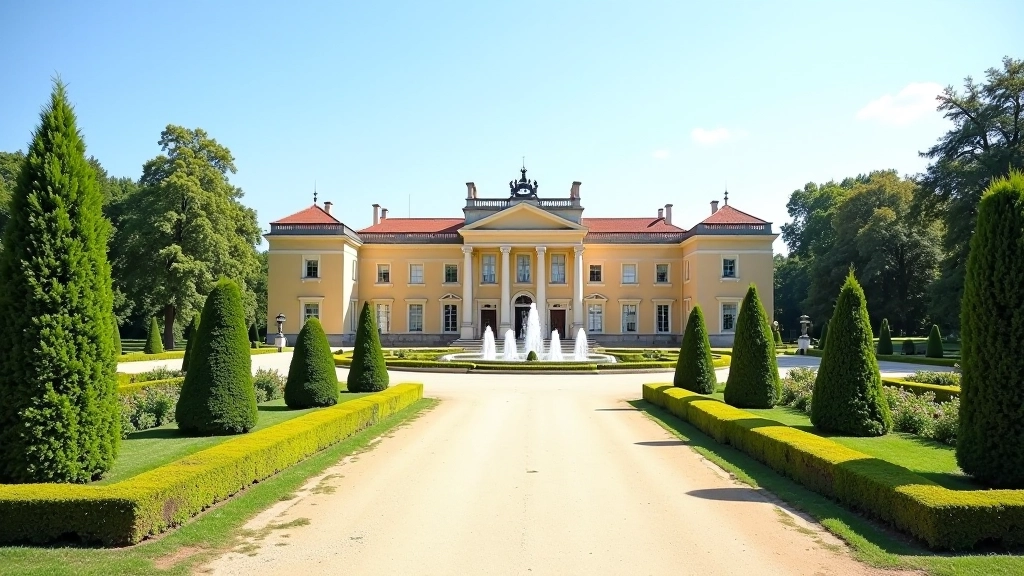
Charming Small Towns: Kuldīga and Talsi
These overlooked towns have real character. Wander the old squares, grab lunch at a local café, and you'll understand why Latvians love getting away to these quieter spots on weekends.

Why These Towns Matter
Kuldīga and Talsi aren't your typical tourist destinations. They're real towns where locals actually live, work, and spend their weekends. The kind of places where you'll find a genuine Saturday farmers' market instead of a souvenir shop.
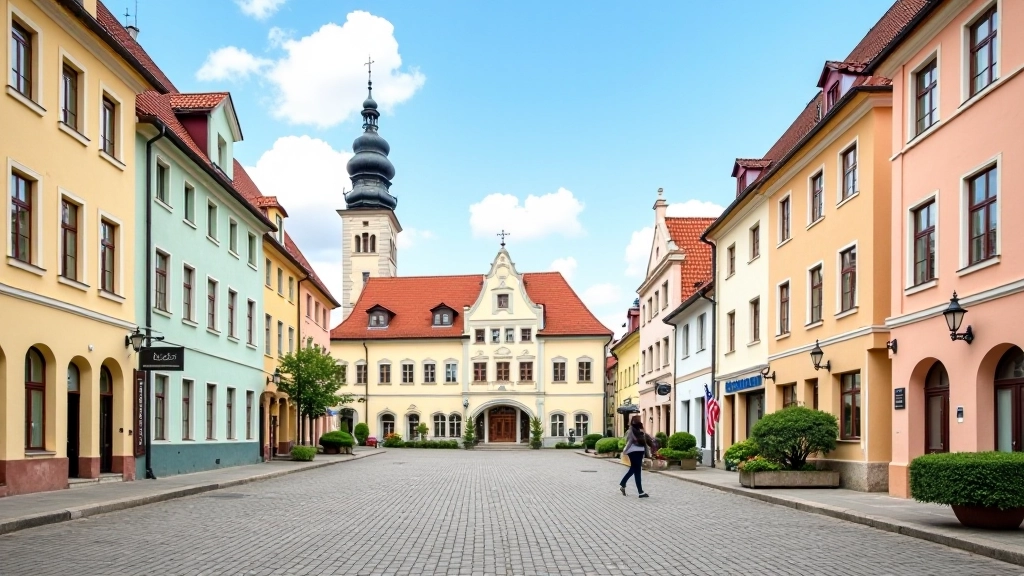
What makes them special? They've kept their character. The architecture tells stories — narrow cobblestone streets, old merchant houses painted in soft colors, churches that have stood for centuries. You won't find chain stores taking over the main squares here.
2
Towns to explore
90min
From Riga
1800s
Historic heritage
Kuldīga: The Widest Waterfall
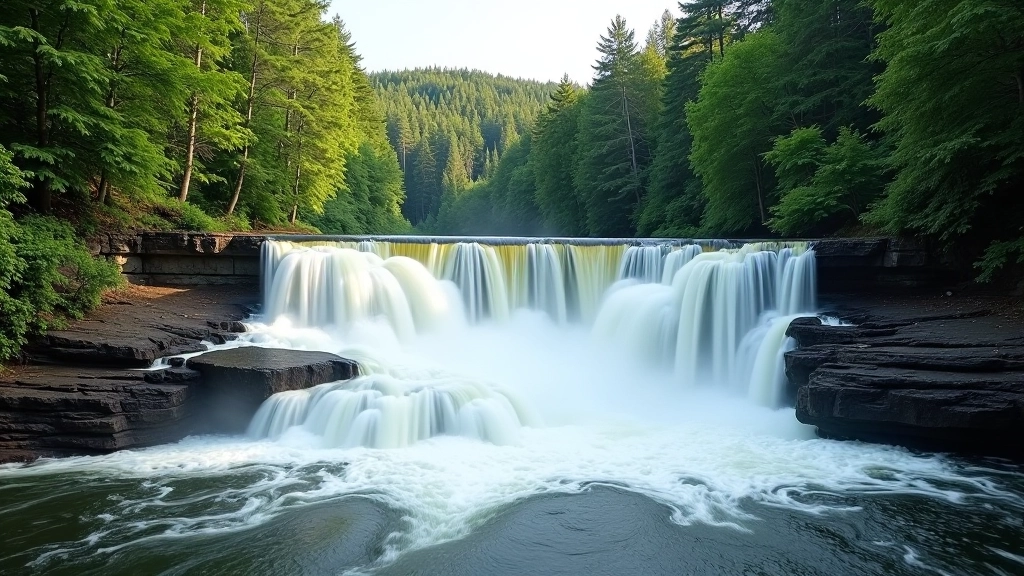
Kuldīga sits on the Venta River, and it's famous for something you won't expect — the widest waterfall in Europe. The Venta Rapid spans 249 meters across. It's not dramatic like the Alps, but it's got a quiet power that makes sense once you're there.
The town itself is built around this natural feature. You'll walk through the Old Town with its pastel-colored buildings from the 19th century, then find yourself at the river. The waterfall doesn't roar — it flows steady and wide, almost hypnotic to watch. People bring picnics, sit on the benches, and just... exist there.
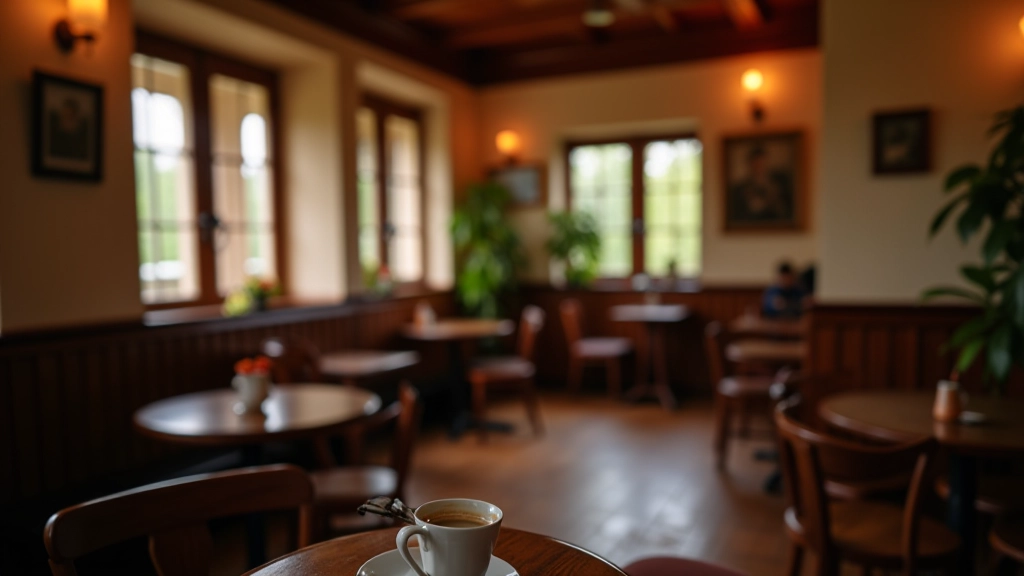
There's a café right near the rapid where you can grab coffee. The locals call it "our waterfall." Not with pride exactly, but with the comfort of knowing something beautiful exists in their backyard.
Getting Around Kuldīga
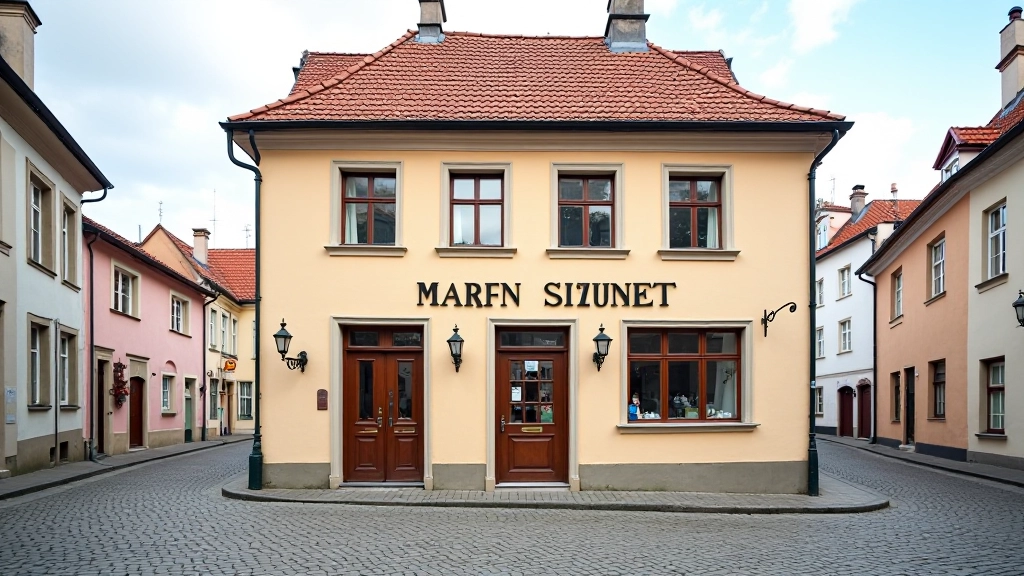
The Old Town is walkable — really walkable. You can cover the main areas in about 2-3 hours without rushing. Start at the main square and just follow the narrow streets. They'll eventually lead you to something interesting.
You'll find craft shops run by people who actually make what they're selling. A pottery studio. A small bakery. A bookshop that's been there for decades. These aren't Instagram-bait spots — they're just part of how the town functions.
Lunch options: a few traditional Latvian restaurants, a couple of casual cafés. Nothing fancy, but the food's solid. The mushroom soup is a good choice if it's on the menu. People come here for the environment more than the dining scene, honestly.
Talsi: The Town on Two Hills
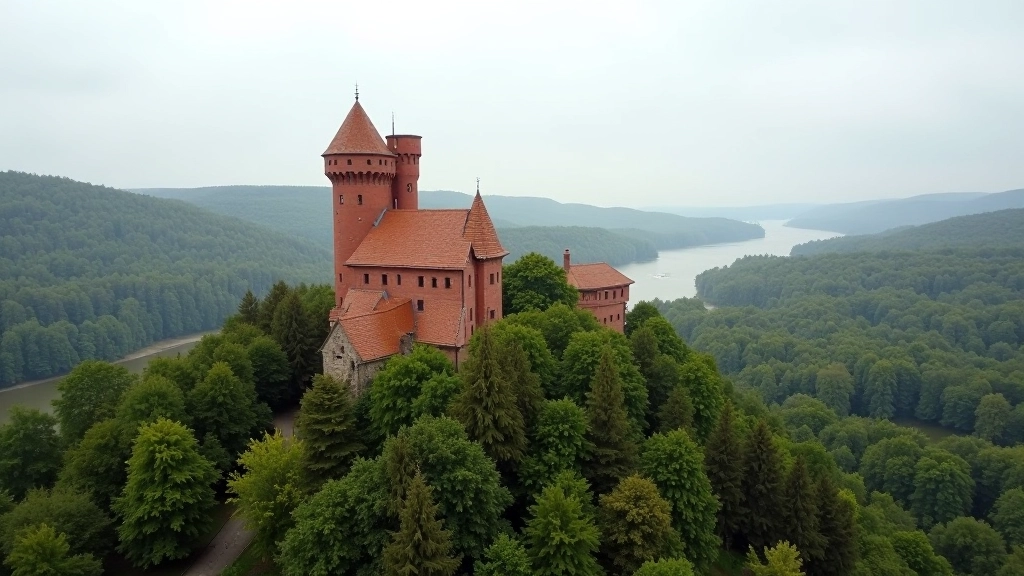
Talsi's geography is unusual — the town spreads across two hills separated by a valley. You literally go up one side, down through the center, then up the other. It creates this natural rhythm to exploring. You're not just walking around — you're actually moving through the landscape.
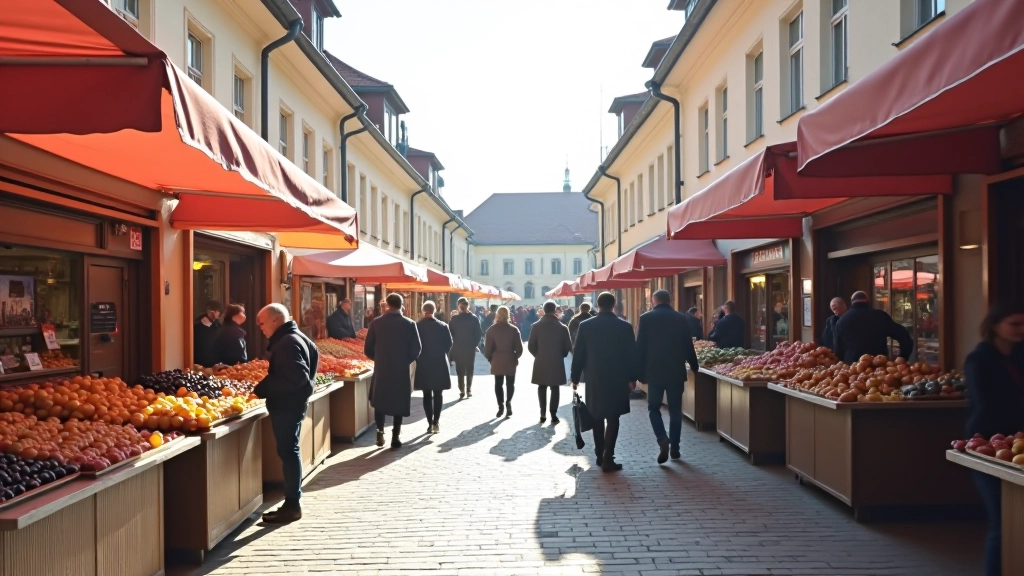
The town square sits in the middle. On weekends, it comes alive with local vendors. You'll find fresh berries, homemade jams, vegetables from gardens. The kind of market where people are selling what they actually grew, not bulk imports.
What's impressive is how the locals have kept things balanced. There's development, sure — some new buildings, shops. But nothing's taken over. The place still feels like it belongs to the people who live there, not to tourists or investors.
What to Do in Talsi
Talsi doesn't have major attractions in the traditional sense. There's no castle or famous waterfall. Instead, it's about the experience of being in a real Latvian town. The local museum is small but actually interesting — it focuses on regional history, not generic stuff.
There's a decent restaurant scene for a town this size. You'll find both traditional Latvian food and some places experimenting with modern takes on local ingredients. The owners often eat there themselves, which is always a good sign.
Parks and walking paths connect the two hills. In spring and summer, they're full of local families. You can sit on a bench with a coffee and just watch people live their normal Saturday. There's something really restorative about that.
Practical Details
Getting There
Kuldīga is about 90 minutes from Riga by car, roughly 160 km northwest. Talsi is 20 minutes beyond Kuldīga. Regular buses connect both towns to Riga if you're not driving. The drive itself is pleasant — you'll pass through farmland and small villages.
Best Time to Visit
Spring and summer are ideal. The towns are lively, cafés have outdoor seating, and the weather's reliable. Autumn is quieter but beautiful — fewer tourists, better light. Winter works if you like silence and empty squares, but some places have reduced hours.
Where to Stay
Both towns have guesthouses and small hotels. Nothing fancy, but clean and comfortable. Some are run by families who've been there for years. Book ahead on weekends during summer — locals also use these places for getaways.
What to Bring
Good walking shoes — you'll be on cobblestones and uneven streets. A camera if you like that sort of thing. Cash is still useful, though most places take cards. An open mind helps more than a guidebook.
Why You Should Go
Kuldīga and Talsi aren't destinations you'll see on Instagram constantly. That's actually the point. These are towns where you can spend a Saturday without feeling rushed or performing for a camera. You'll walk real streets, meet people who actually live there, eat food that isn't designed for tourists.
There's something valuable about that. The waterfall in Kuldīga won't take your breath away — but you'll find yourself sitting there for longer than you planned. The market in Talsi isn't exotic, but the conversations you'll overhear are genuinely Latvian.
A weekend in either town costs less than you'd expect. The pace is slower. You'll probably read a book or just think. And when you head back to Riga, you'll understand why locals keep these towns as their secret getaway spots. They're not secrets anymore, but they're still authentic. That matters.
Disclaimer
This article provides informational and educational content about visiting Kuldīga and Talsi in Latvia. Information about opening hours, facilities, and services is accurate to the best of our knowledge but may change. We recommend confirming details directly with venues before your visit. Weather conditions, local events, and availability vary seasonally. This content is intended to help plan your trip — specific experiences may differ based on timing and personal preferences. Always follow local guidelines and respect community spaces while visiting these towns.